Cold, Damp, or Musty Basement Before Finishing It? Fix This First
October 31, 2026
| Factor | Replacement (Insert) Windows | New Construction Windows |
|---|---|---|
| Existing frame | Anne | Evans |
| 2 | Bill | Fernandez |
| 3 | Candice | Gates |
| 4 | Dave | Hill |
Quick Answer: A cold, damp, or musty basement almost always has one or more specific causes: water pushing in through the soil, humid air condensing on cold concrete, or vapor passing up through the slab. Before you frame, insulate, or hang drywall, find out which one you have by watching the space through a wet spell, checking the outside grading and gutters, and running simple moisture tests on the floor and walls. Fix the source first, then finish the space, because covering a damp basement only hides the problem while it grows behind the new walls.
You walk down the stairs on a January morning to grab something from the shelves, and the air hits you before your eyes adjust. It is colder than the rest of the house, a little heavy, and there is a smell you can't quite name. Not rotten, exactly. More like a damp towel left in a gym bag. You've been telling yourself this space could be a family room, an office, or a spot for the kids to spread out, and you've already picked out paint colors in your head.
Then comes the question every homeowner in Lapeer County eventually asks: can I just finish it and let the new walls and flooring take care of the feel of the place? It is a reasonable thing to wonder, and the honest answer is no. A cold, damp, or musty basement is giving you information. Finished walls don't cancel that information. They bury it.
Here is how to read what your basement is telling you, what each symptom usually points to, and the order we work in when a space needs help before it is ready to be finished.
Start by Naming the Symptom You Actually Have
Cold, damp, and musty sound like one problem, but they come from different places, and mixing them up leads to the wrong fix. Spend a few weeks paying attention and sort what you see into one of these groups.
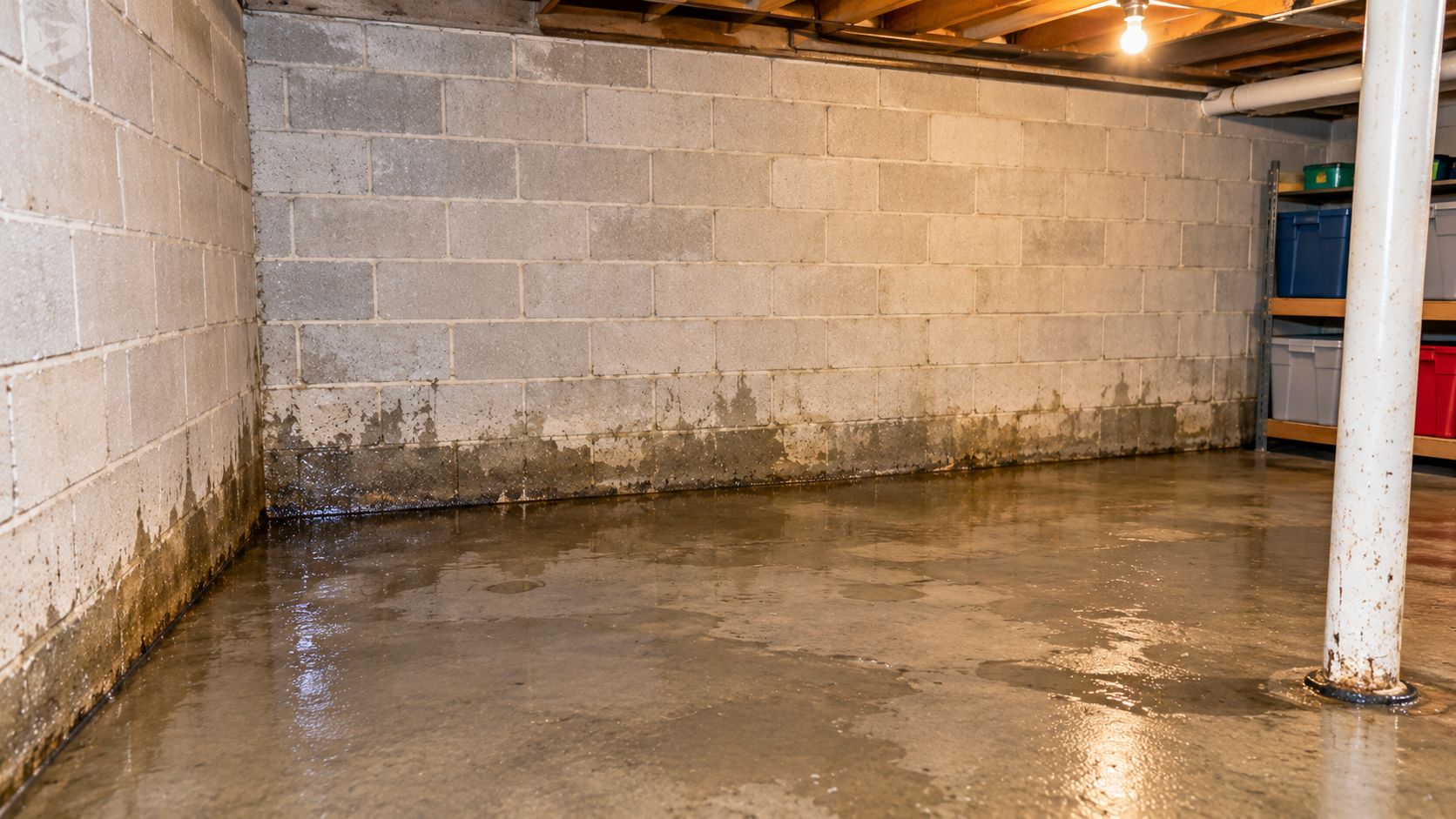
Visible Water or Dark Staining
Puddles, wet floor patches, or dark wall stains near the base suggest water intrusion requiring exterior drainage or foundation repairs.
Cold Surfaces That Sweat
Clammy walls and floors without leaks often indicate condensation, as humid outdoor air meets cool concrete and releases moisture.
A Musty Smell With No Visible Water
Musty odors without puddles suggest hidden moisture behind walls, stored boxes, old paneling, or concrete, potentially encouraging mold growth.
Cold Air and a Chilly Floor but a Dry Feel
Dry, chilly surfaces may indicate heat loss through uninsulated rim joists, bare foundation walls, or slabs directly contacting cold ground.
Most older Michigan basements show a mix. A farmhouse near Almont or Metamora might have a fieldstone or block foundation that weeps a little after snowmelt, an uninsulated rim joist, and a dehumidifier that has been running for ten years. The goal is to separate the layers so each one gets the right answer.
Water From Outside: Check the Ground Before You Check the Wall
Tip:
After the next hard rain, go down to the basement with a flashlight while it is still wet outside. Look at where the wall meets the floor, around window wells, and near any pipe or wire that passes through the foundation. Water usually shows itself at joints and penetrations before it shows itself in the middle of a wall.
Condensation: The Damp Basement With No Leak
Plenty of basements feel damp without a single drop coming through. The concrete below grade stays close to the temperature of the soil around it, which is cool all year. On a humid July day, the air inside a basement can hold a lot of moisture, and when it touches a cold wall or floor, that moisture drops out as water.
You can often tell condensation from leakage by the pattern. Condensation tends to show up on cold water pipes, on the lower portions of walls, on the floor in the cooler corners, and on anything stored directly against the concrete. It appears on humid days and fades when the weather dries out. Leaks track with rainfall and snowmelt instead.
A simple test helps. Tape a square of plastic sheeting tightly to a clean section of the floor or wall, sealing all four edges, and leave it for a day or two. If moisture appears on the underside of the plastic, vapor is moving up or through the concrete. If moisture shows up on the room side of the plastic, you are looking at condensation from the air. It is a rough test, and a dry result doesn't prove the slab is dry, but a wet result tells you plenty. Professionals use calcium chloride kits and in slab probes for firmer numbers, particularly before flooring is installed, and a good contractor will explain how those readings are taken.
The fix for condensation is different from the fix for a leak. It is about controlling humidity, adding airflow, keeping dryer vents and bath fans ducted outdoors, and insulating the surfaces so warm air never reaches a cold one.
Why Cold and Damp Travel Together
If your basement is both cold and damp, the two issues feed each other. Cold surfaces cause condensation. Damp insulation or damp framing loses almost all of its ability to resist heat flow. Wet concrete also conducts cold into the room far more readily than dry concrete.
That is why simply stuffing fiberglass batts against a bare foundation wall is a common mistake. Fiberglass is not designed to sit against concrete that sweats or wicks moisture. Over a winter or two, the batts get damp, they sag, and mold finds a comfortable home in the back of the wall. You've built a hidden problem and paid to cover it.
Warning: Never frame and insulate against a foundation wall that has not been checked for moisture first. Insulation and drywall trap dampness against the concrete, so the wall can stay wet for years while the finished surface looks perfect. By the time you notice the smell, the damage is behind the walls.
What Has to Be Settled Before Anything Gets Built
Once you know what you are dealing with, there is an order of operations. We have found that skipping steps, or doing them out of order, is what causes most failed basement projects.
One. Control the Water Outside
Improve grading, clean gutters, extend downspouts, and maintain window wells to direct water away from the foundation and reduce pressure on interior waterproofing solutions.
Two. Deal With Any Active Seepage
Address remaining leaks by sealing cracks, repairing failed joints, or installing suitable drainage. Proper evaluation identifies the source before selecting effective repairs.
Three. Manage Humidity
Use a properly sized dehumidifier and outdoor venting exhaust fans to control indoor moisture. Aim for relative humidity between 30 and 50 percent.
Four. Stop Vapor at the Surface
Choose appropriate moisture control layers for concrete walls and slabs based on testing. Avoid loose plastic coverings that can trap moisture and encourage mold.
Five. Insulate With the Right Materials
Use rigid foam board or spray foam instead of fiberglass in damp areas. Pay particular attention to rim joists, which often leak heat and air.
Six. Plan the Finish Layer
Install framing, electrical systems, drywall, and flooring only after moisture problems are addressed. Choose moisture resistant materials and maintain clearance above basement slabs.
| Factor | Replacement (Insert) Windows | New Construction Windows |
|---|---|---|
| Existing frame | Anne | Evans |
| 2 | Bill | Fernandez |
| 3 | Candice | Gates |
| 4 | Dave | Hill |
Signs It Needs a Professional Look First
Some basements can be improved with exterior grading and a decent dehumidifier. Others need more. Pay attention if you notice any of the following.
Horizontal or Stair Step Cracks in Block Walls
These cracks may indicate soil pressure or water buildup outside, requiring professional structural assessment rather than cosmetic repairs.
White, Powdery Deposits on the Concrete
Efflorescence indicates water moving through concrete and leaving mineral deposits as moisture evaporates from the surface.
Peeling Paint or Bubbling Coatings on Masonry
Moisture trapped behind masonry finishes pushes outward, causing paint to peel and protective coatings to bubble.
A Musty Smell That Returns After Cleaning
Recurring musty odors suggest an ongoing moisture source remains active, even when surfaces appear clean and dry.
Rusted Metal at the Base of the Furnace, Water Heater, or Support Posts
Rust on nearby metal components signals prolonged dampness that may eventually damage equipment and structural supports.
Soft, Darkened Wood at the Bottom of Stairs or Framing
Persistently wet wood darkens, weakens, and becomes vulnerable to decay, rot, and structural damage over time.
If you see two or more of these, have the foundation and drainage looked at before you plan layouts or choose finishes.
Why Spring and Winter Tell You Different Things
Frequently Asked Questions
Can I just run a dehumidifier and call the basement ready to finish?
No. A dehumidifier treats humid air but not water entering through soil or vapor rising through the slab. If it runs constantly and the space stays damp, the source remains.
How do I know if the smell is mold?
Mold smells earthy or stale and grows where moisture lingers, like behind stored items or in poorly ventilated corners. Smell alone doesn't confirm it, so find and stop the moisture.
Should I paint the walls with a waterproofing coating?
Coatings can reduce minor dampness but won't fix water pressure or active seepage. Over a wall still taking on water, they blister and peel. Settle the moisture source first.
Is a musty basement a health concern?
It can be. Persistent dampness and mold may irritate people with allergies or breathing sensitivities. If anyone reacts downstairs, resolve the moisture before the space becomes a daily family area.
Why is my basement colder than the rest of my house?
Below grade walls and slabs touch cool soil, and many older basements lack insulation. The rim joist is a major source of heat loss. Insulate and air seal after controlling moisture.
How long should I wait before finishing after fixing a moisture problem?
Ideally one full seasonal cycle, including spring melt and a humid summer, to see how the fixes hold. If the basement stays dry and comfortable, it is ready to finish.
Fixing the Basement Before You Finish the Room
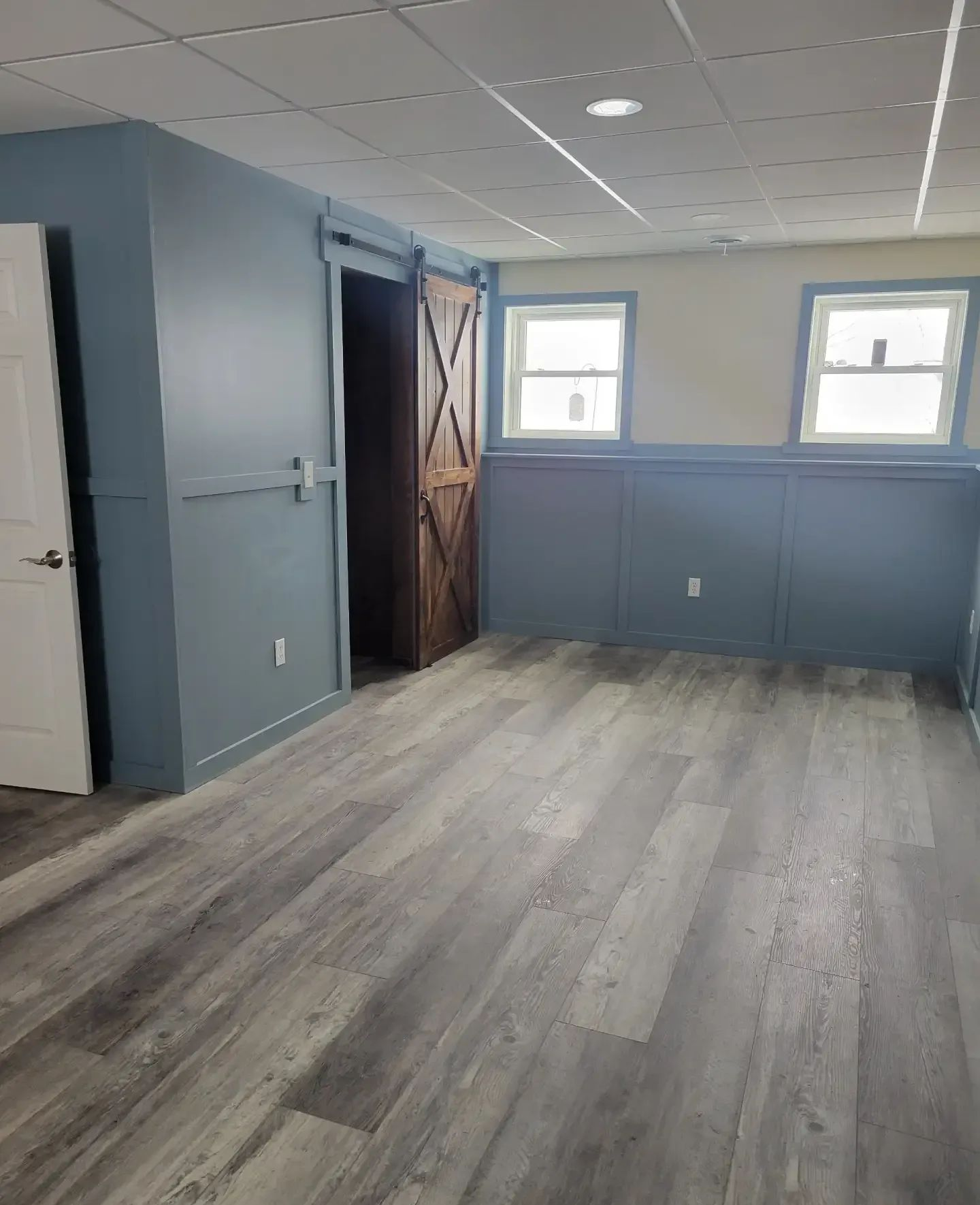
A basement that feels cold, damp, or musty is not a lost cause. Most of them are very workable spaces, and some of the most comfortable family rooms and guest suites started out exactly this way. What separates the ones that stay comfortable from the ones that go bad is the order of the work. Water and humidity get handled first, then insulation, and only then the finishes that make the space feel like part of your home.
Watching the
basement
through a full cycle of seasons, taking notes, and testing what you can turns guesses into a clear plan. Ross Construction & Build and Maintenance has spent 40+ years working on homes in Lapeer County and Attica, MI, and that time has shown that fixing grading, drainage, and humidity before framing keeps finished rooms warm, dry, and fresh. When the evidence points the repairs, the room you build stays comfortable for as long as you live in the house.